
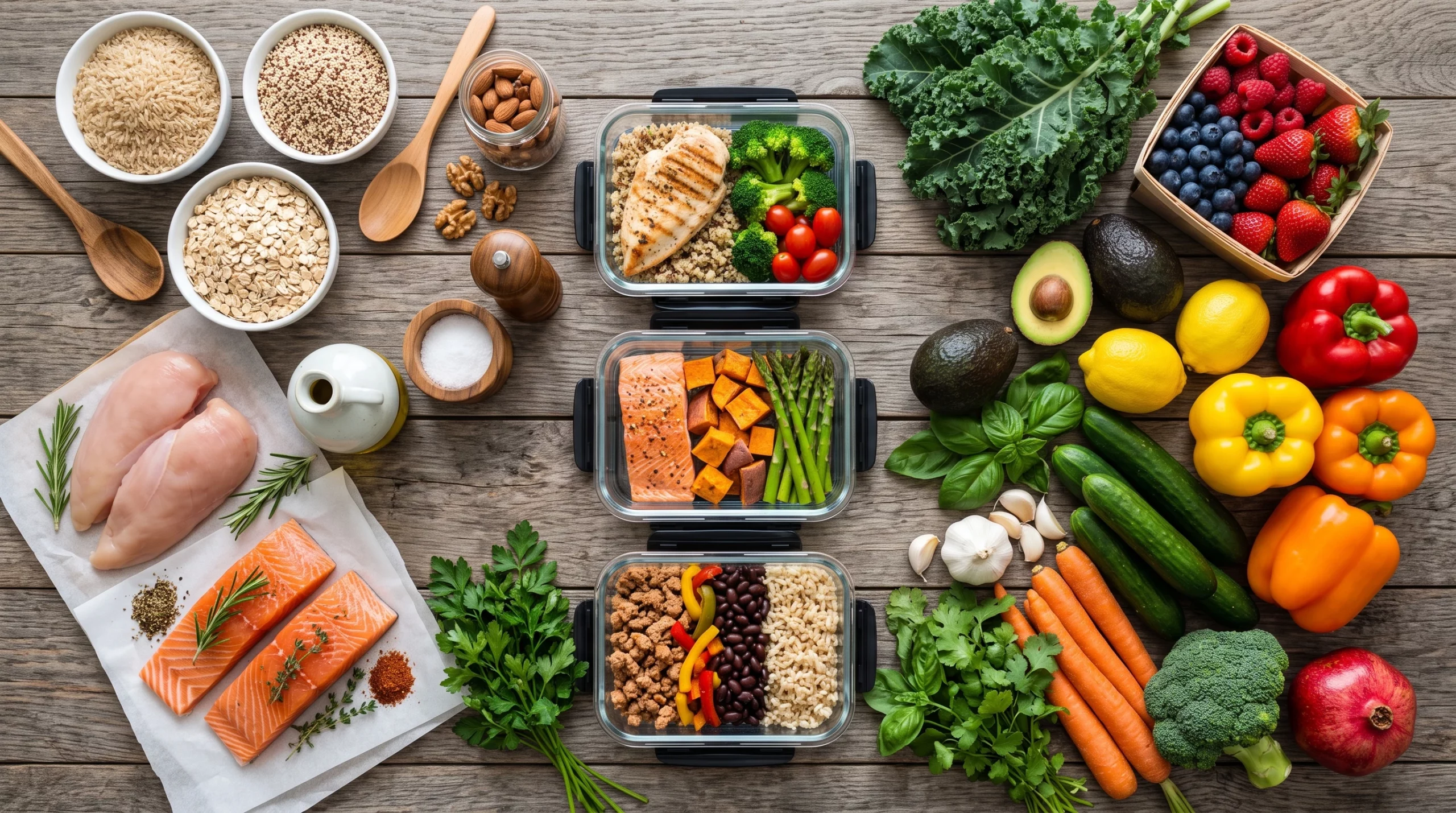
Managing fat loss through nutrition can feel overwhelming, especially for men looking to balance results with a busy lifestyle. Every day I see claims online about quick fixes and “magic” diets, but there’s a lot of confusion about what really works. Lasting results come from building healthy habits and making smart food choices that fit real life.
I spent years sorting through nutrition advice, and I know how easy it is to get stuck in cycles of fad diets, yo-yo weight changes, or just not knowing where to start. Many men want simple, practical ways to lose fat without giving up foods they enjoy or feeling constantly restricted.
This article breaks down the top 20 nutrition tips for men’s fat loss. These are the tools I relied on to maintain energy and lose body fat, even during hectic weeks. They’ll help simplify decision making, make meals enjoyable, and keep fat loss realistic, so you can stick with changes long enough to see progress.
Now: 20 Nutrition Tips For Men’s Fat Loss
1. Prioritize Protein with Every Meal
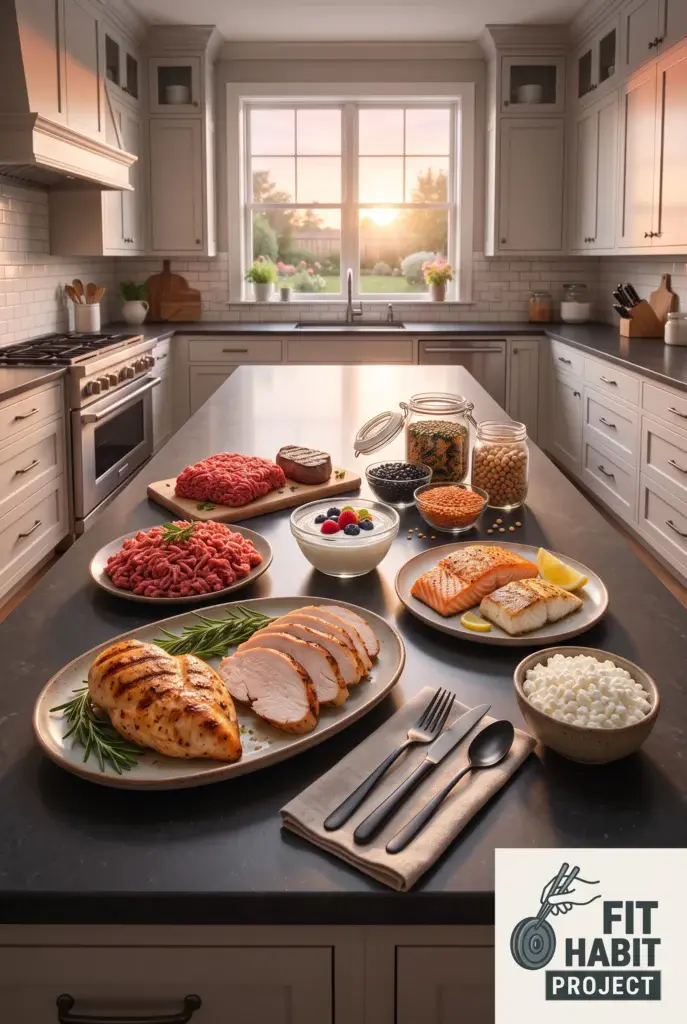
Focusing on protein is one of the most reliable ways to support fat loss. Protein helps reduce appetite, maintain muscle while losing fat, and keeps you feeling fuller for longer compared to carbs or fats. Try to include a lean protein source in every meal, like chicken breast, turkey, fish, lean beef, eggs, Greek yogurt, cottage cheese, or legumes.
Tip:
- Start breakfast with eggs, Greek yogurt, or a protein shake.
2. Control Your Portions Without Counting Every Calorie
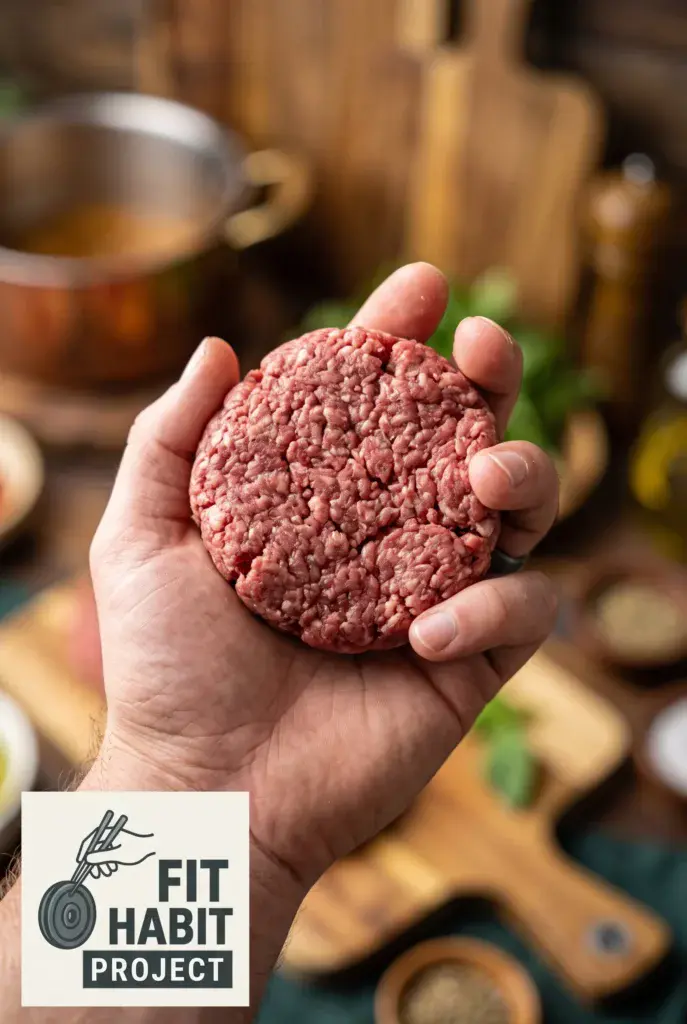
Weighing and logging every meal can get old fast. Instead, use portion guidelines. For most men, a portion of protein is about the size of your palm, carbs the size of your cupped hand, fats about your thumb size, and vegetables fill the rest of your plate. This visual method works for most everyday meals, especially when eating out or when you’re on the go.
Tip:
- You can also use the size of your closed fist for when you’re eating out and the meals have carbs and proteins mixed together
3. Choose Nutrient-dense Foods
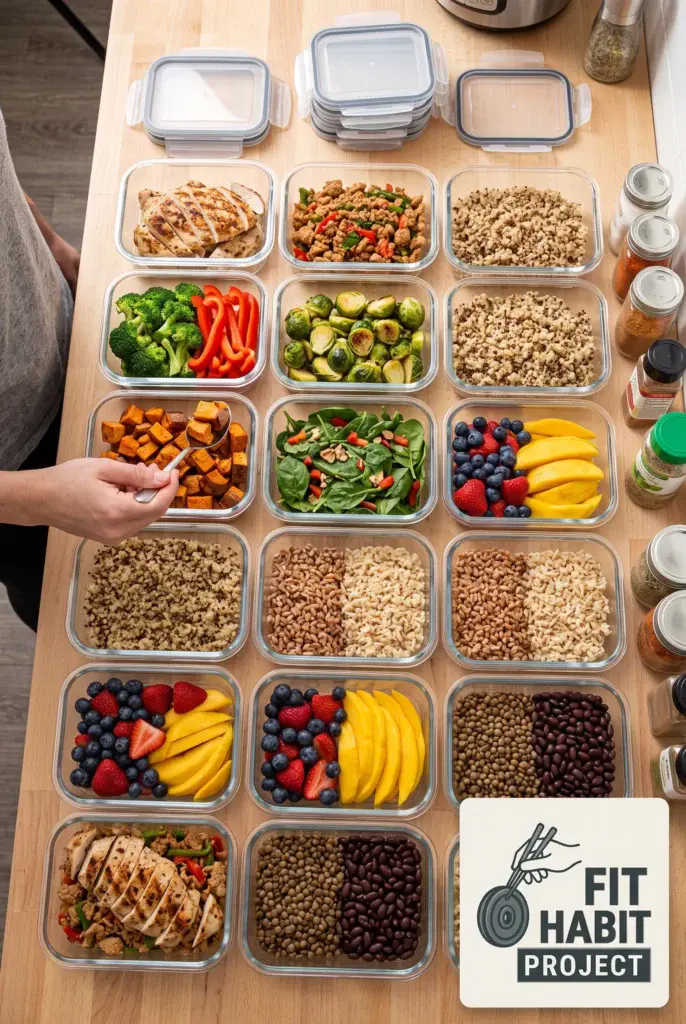
Nutrient-dense foods are high in vitamins, minerals, and fiber relative to their calorie content. These foods keep energy levels steady and reduce cravings. Vegetables, fruits, lean meats, whole grains, and legumes pack the most nutrition per serving. Processed foods, however, are often lower in nutrients and easier to overeat.
Tidbit:
“Sugar may be more habit-forming than we realize. Research has found that excessive sugar intake can produce addiction-like changes in the brain and behaviors such as craving and withdrawal.” [1]
4. Plan Meals Ahead of Time
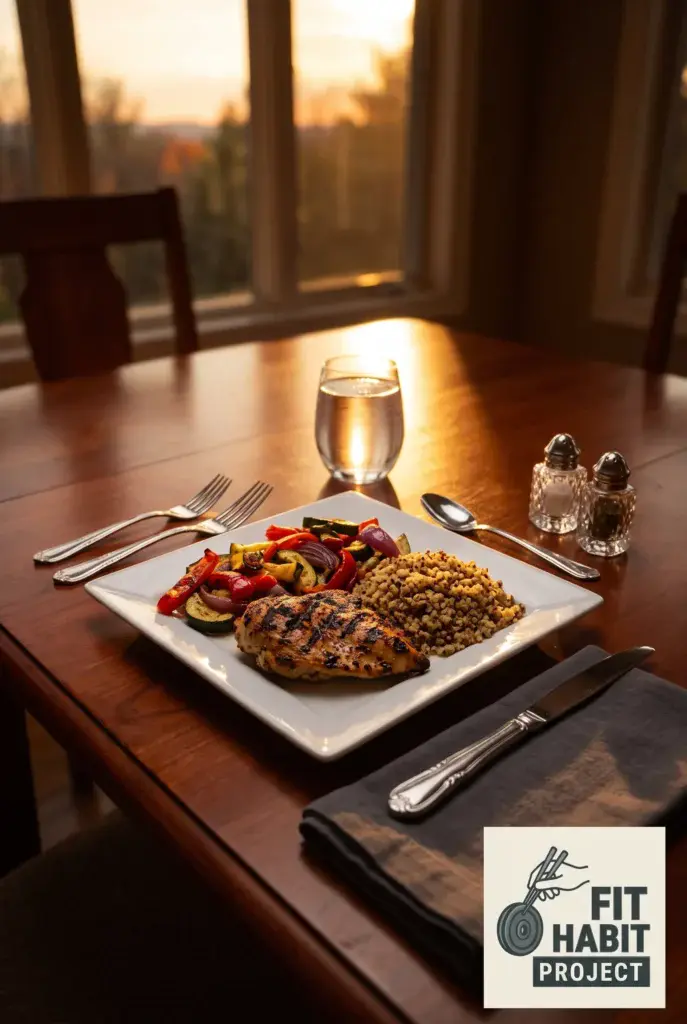
Meal planning saves time, lowers stress, and prevents last-minute unhealthy choices. I like to plan two or three days in advance, prepping simple meals like grilled chicken, roasted veggies, quinoa, or overnight oats. If you’re busy, even knowing what you’re having for dinner before getting home helps avoid takeout temptations.
5. Minimize Liquid Calories
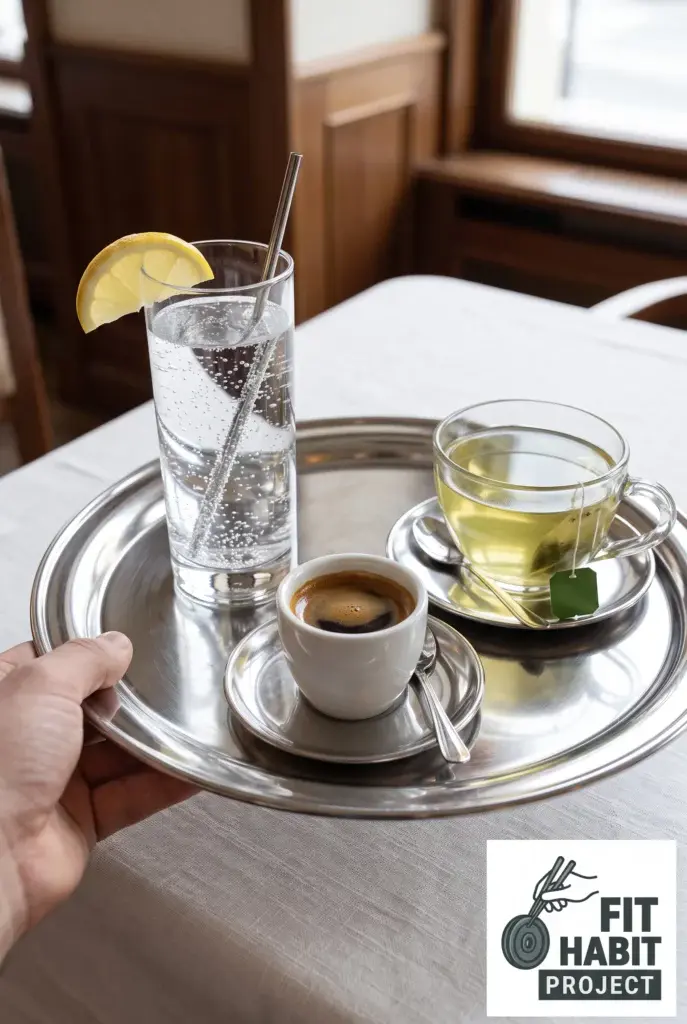
Beverages add up quickly in calories without doing much to fill you up. Sodas, fancy coffee drinks, sports drinks, and juices can all sabotage fat loss. Water is always best, but sparkling water, black coffee, or unsweetened tea are good alternatives. If you like alcohol, limit it to one or two drinks per week and keep an eye on the mixers you use.
6. Don’t Skip Healthy Fats
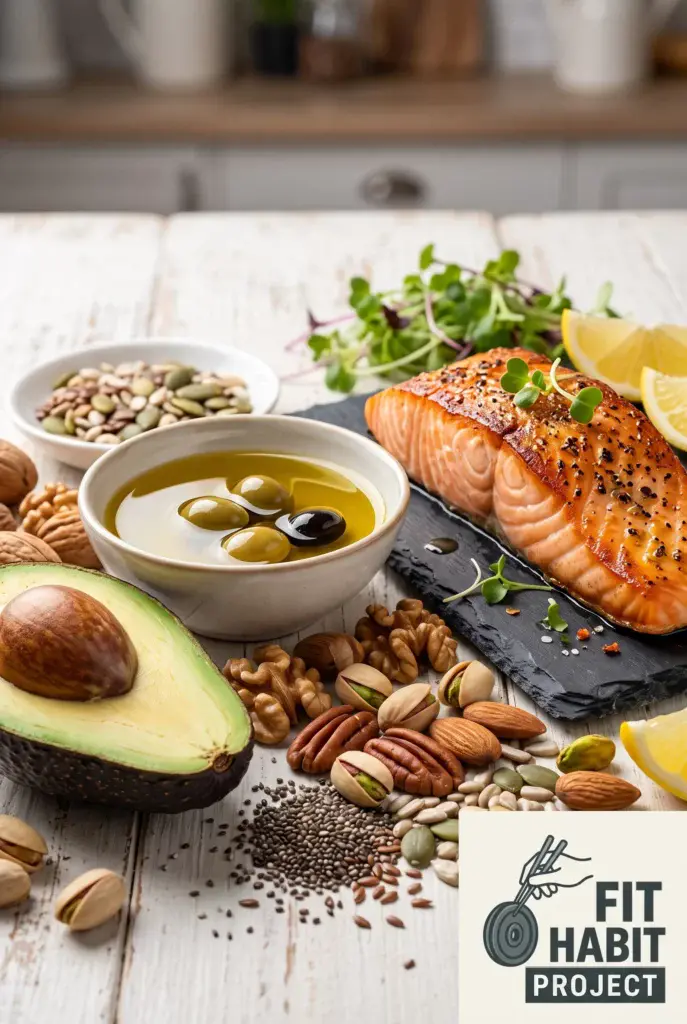
Cutting out fats completely can mess with hormones, mood, and satiety. Healthy fats from avocados, olive oil, nuts, seeds, and fatty fish help keep hunger in check and support metabolism. Include small servings of healthy fats in meals instead of eliminating them entirely.
7. Fill Half Your Plate with Vegetables
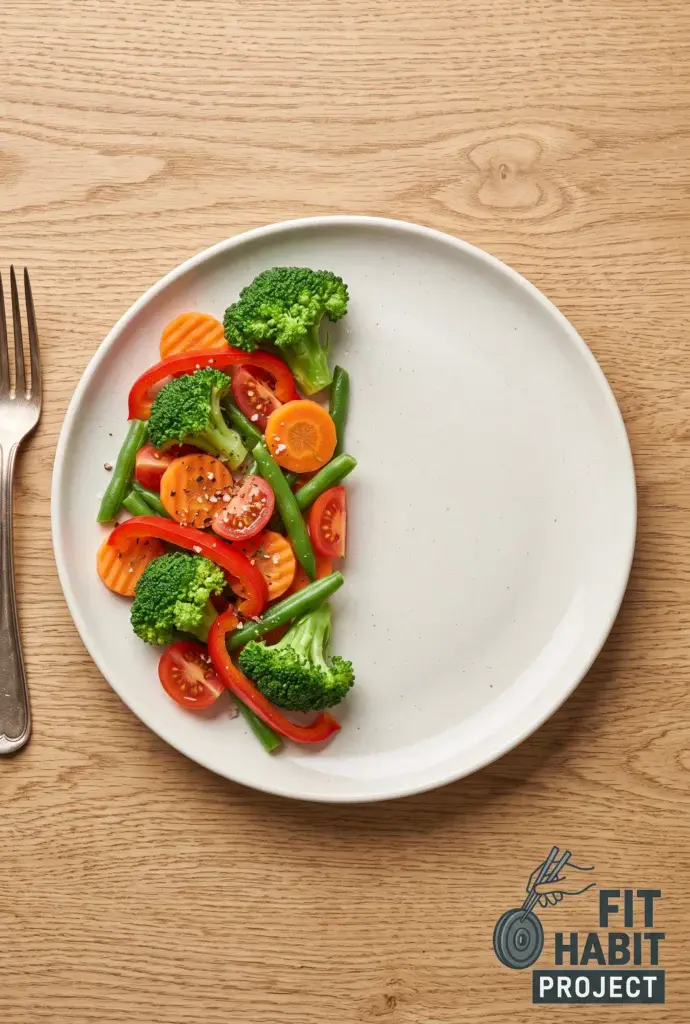
Vegetables are low in calories and high in fiber. They add volume to your meals and make hitting fat loss goals easier. Aim to fill half your plate with a variety of colorful veggies at lunch and dinner. This habit works well for appetite control and nutrition.
8. Watch Out for Hidden Sugars
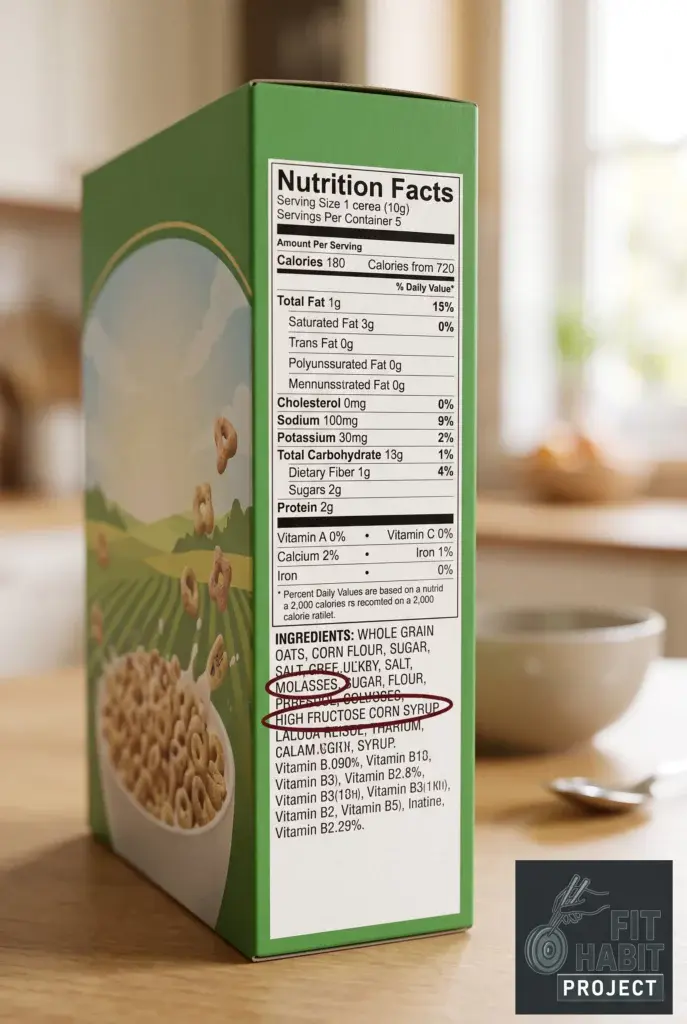
Sugar hides in unexpected foods like condiments, sauces, and “low-fat” products. Reading labels makes a big difference. If you’re new to this, start by checking a few foods you eat most often. Swapping high-sugar snacks for whole fruit helps reduce sugar without feeling deprived.
Tip:
- Check for things such as honey, molasses, brown rice syrup, malt syrup, and high fructose corn syrup in the ingredients list. These are a few ways sugar is snuck in.
9. Use Intermittent Fasting if It Fits Your Life

Some men find fasting windows help control overeating. Intermittent fasting involves eating during specific hours and fasting the rest of the day, such as the 16/8 method (fast for sixteen hours, eat for eight). This approach makes fat loss more manageable, especially if you enjoy bigger, less frequent meals. While intermittent fasting isn’t required, it’s a helpful tool if it makes your day easier.
10. Hydrate Properly
Water plays a key part in fat loss. Dehydration can make you feel tired and hungry, often leading to unnecessary snacking. Keep a water bottle nearby during the day and drink a glass before meals. Herbal teas or sparkling water also help if you want a break from plain water. Proper hydration helps your body process fat and maintain energy.
11. Practice Mindful Eating
Rushing through meals often leads to eating more than you actually need. Slowing down, paying attention to taste, and checking in with hunger cues help with portion control. Make a point to sit down and eat without screens at least once a day, and you’ll avoid mindless snacking and learn to listen to your body’s signals.
12. Limit Eating Out and Takeout
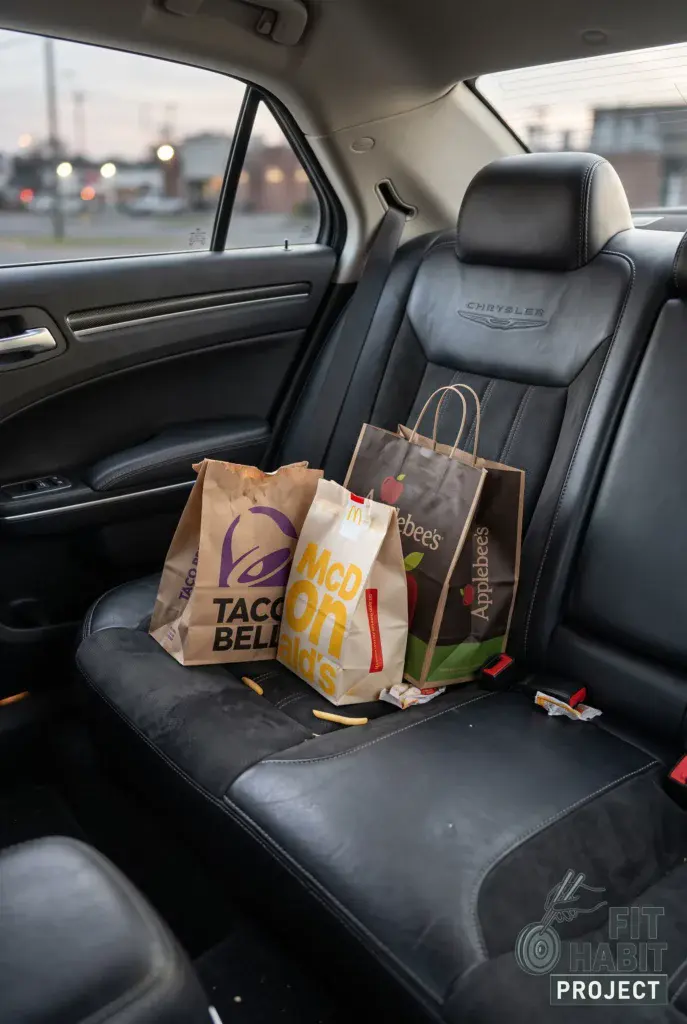
Restaurant meals and takeout often contain more calories, sugar, and unhealthy fats than you’d expect. If you enjoy eating out, plan for it by making balanced choices. Opt for grilled proteins, steamed veggies, and skip “all you can eat” buffets. Cooking at home gives far more control over ingredients and portion sizes.
13. Make Smart Carb Choices
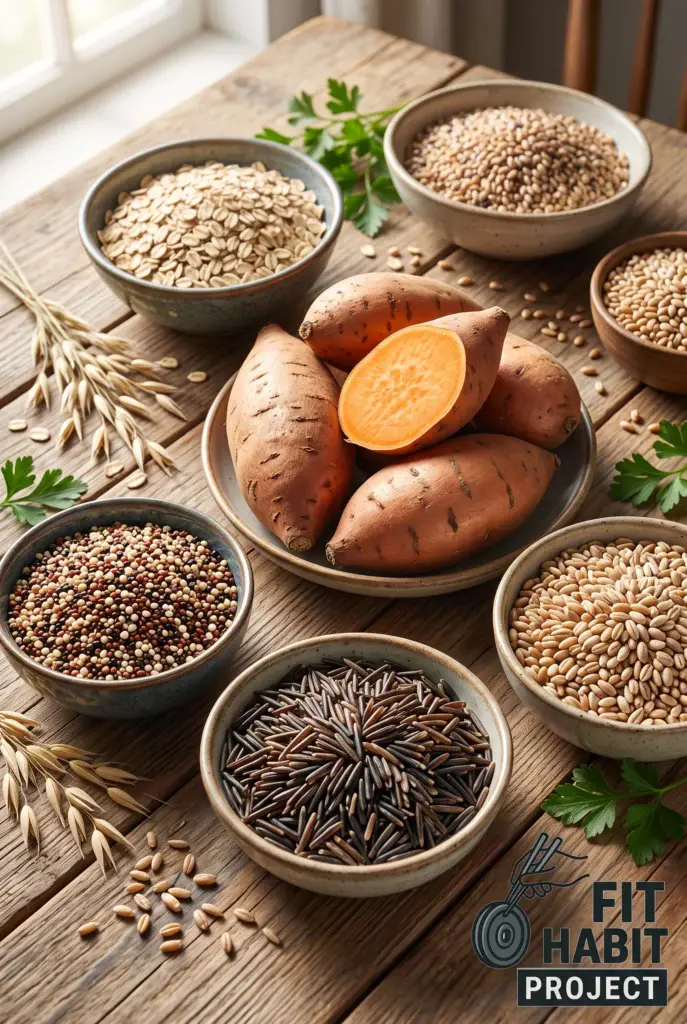
Refined carbs like white bread, pastries, and many breakfast cereals increase hunger and cravings later on. Choosing whole grains, sweet potatoes, oats, quinoa, or wild rice helps stabilize blood sugar and provides fiber, which is helpful for fat loss. Look for carbohydrates that come with fiber to give you lasting fullness and energy.
14. Use Spices and Herbs
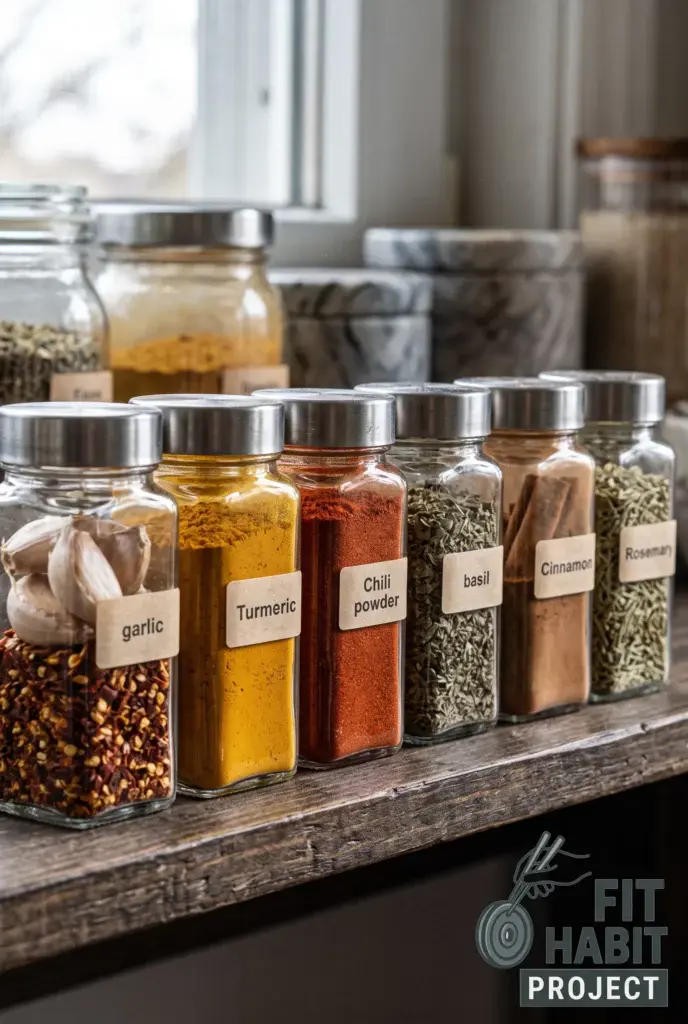
Seasoning food with fresh or dried spices and herbs adds flavor without extra calories or sugar. Garlic, turmeric, chili powder, basil, cinnamon, and rosemary are all great options. These help make simple meals enjoyable and keep you from feeling bored with the same foods every day.
15. Prepare Healthy Snacks
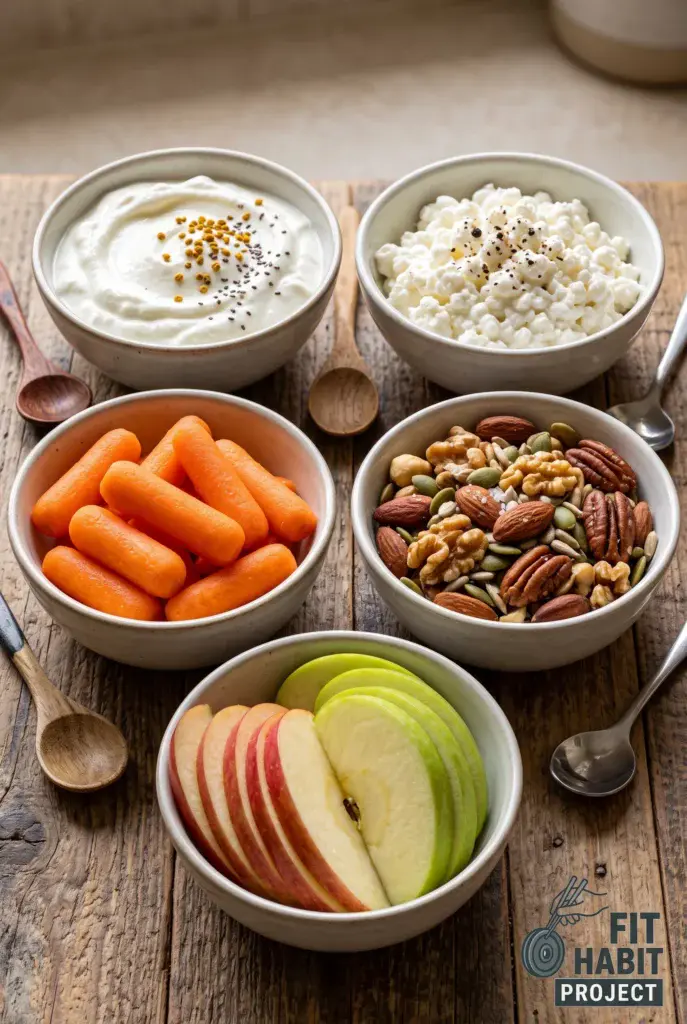
Having healthy snack options nearby makes it easier to stay on track. Keep Greek yogurt, cottage cheese, mixed nuts, apple slices, and baby carrots on hand. This reduces the urge to grab processed snacks in between meals, helps control hunger, and keeps your nutrition goals alive.
16. Don’t Fear Eating Late. Focus on What, Not When
Many people believe eating after eight PM causes weight gain, but science points more to total daily calories than timing. If you enjoy a late meal, keep portions modest and focus on lean protein and vegetables. Avoiding big, heavy meals right before bed helps with sleep quality and digestion. The key is consistency, not the hour on the clock.
17. Track Progress Beyond the Scale

The scale alone doesn’t tell the whole story. Also track body fat percentage, waist measurements, progress photos, and how clothes fit. These methods help you spot progress in body composition and muscle retention that may not show up on the scale, especially during weeks when weight changes more slowly. Celebrate all wins, big and small.
18. Don’t Drastically Cut Calories
Extreme calorie restriction quickly backfires by slowing metabolism, affecting moods, and increasing cravings. A moderate calorie reduction is more sustainable and healthier long term. If you’re unsure how much to eat, start with a small deficit from your usual intake and adjust gradually. Steady, patient changes bring better results.
19. Eat Consistently Throughout the Day
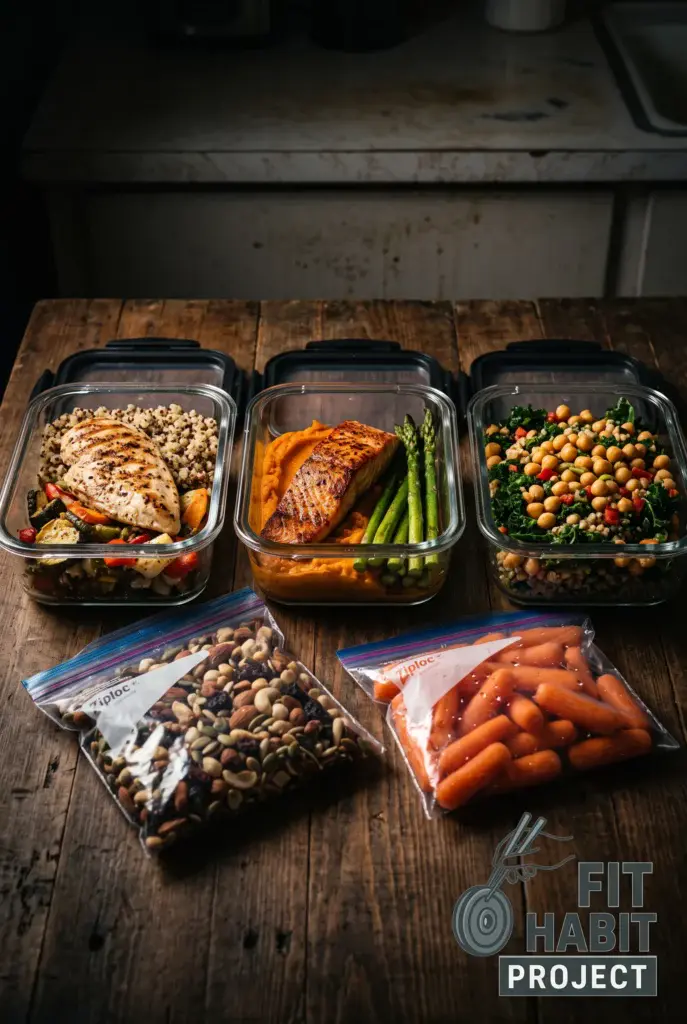
Skipping meals tends to lead to extreme hunger and overeating at the next meal. Consistent meal timing helps regulate appetite, keeps blood sugar steady, and supports energy levels during workouts or busy workdays. Stick to three meals and one or two snacks most days to provide stable fuel for body and mind.
20. Progress Not Perfection
No one follows guidelines perfectly, not even experts. Learn to be flexible and get right back on track after slipups. One meal or one day off plan doesn’t undo weeks of progress. Focusing on steady improvements builds long-term results and healthier relationships with food. Progress, not perfection, is what will get you there.
Wrapping Up
Fat loss for men is a combination of smart nutrition, consistency, and realistic habits. Trying even a few of these nutrition tips can make a real difference in how you look, feel, and perform. Over time, the results become more about your health and confidence than just a number on the scale.
If you’re ready to start, pick two or three changes that seem doable this week. When you feel comfortable, layer on a few more. The best nutrition plan is one that fits your goals, tastes, and lifestyle so you can keep it going for the long run. Stick with it, track your progress, and celebrate your wins as you go.
Don’t forget to leave a comment and make a commitment to at least start 2-3 of these changes.
Until Next Time–
Sources:
1 Sources:
1. NM, A., P, R., & BG, H. (2008). Evidence for sugar addiction: behavioral and neurochemical effects of intermittent, excessive sugar intake.. Neuroscience and biobehavioral reviews, 32(1), 20-39. https://doi.org/10.1016/j.neubiorev.2007.04.019 Open source