
Starting a new workout routine feels exciting, especially with all the energy and motivation that comes at the beginning. Still, it’s pretty common to run into mistakes that can slow progress or even make training less enjoyable. After making my fair share of missteps in the gym and seeing the same slip-ups from other beginners, I’ve put together a list of the most common mistakes new lifters and fitness fans make, along with what you can do instead.
Why Good Workout Habits Really Matter
Building a strong workout habit isn’t just about hitting the gym. It’s about learning what works and steering clear of patterns that waste effort. When you understand how to train smarter, you’re less likely to burn out or get injured. Fitness goals like gaining strength, losing fat, or simply moving better all come down to how consistent and mindful you are during training. With good habits, every workout moves you a little closer to your goals. Plus, having a routine gives a boost to your motivation; when you feel improvement each session, sticking to your plan is much easier.
So many people give up on exercise because they don’t see results, and most of the time the reason is one (or more) of these common mistakes. Whether you’re interested in home workouts, weight training, or group fitness, avoiding these pitfalls keeps your adventure positive and motivating. Learning these basics early on also helps keep your workouts fun and reduce frustration.
Top 10 Workout Mistakes Beginners Make (and How to Fix Them!)
- Skipping the Warm-Up: I’ve spotted loads of people walking straight into heavy lifts or fast cardio without any warm-up. This small step preps your muscles, lubes your joints, and helps reduce injury risk in a big way. A quick five to ten minute routine with dynamic stretches, arm circles, or easy cardio helps your body get ready for action. Spending just a few minutes here also prepares you mentally for a solid workout.
- Doing Too Much, Too Soon: That early-on motivation often leads to trying intense routines or lifting too heavy right away. Without building a baseline, soreness or small injuries can quickly set you back. Gradually increasing the intensity and listening to your body is a smarter way to make steady gains, and helps keep your confidence up as you stack up achievements.
- Not Learning Proper Form: Lifting weights or even doing bodyweight exercises with shaky technique limits muscle growth and can strain your joints. Watching credible YouTube tutorials, working with a coach, or checking your form in a mirror makes a huge difference. I learned my squat and deadlift form this way, which saved me from some avoidable aches. If you can’t get in with a trainer, consider recording yourself to spot mistakes.
- Ignoring Recovery: More exercise doesn’t always mean more results. Rest days let your muscles rebuild and your nervous system chill out. As a beginner, at least one or two rest days per week keep you on track and make future workouts feel less brutal. Lack of recovery can lead to stress, sleep problems, or even injury, so give yourself time to recharge.
- Focusing Only on Cardio, or Only on Weights: Both strength training and cardio play important roles in a well-balanced routine. I used to think “cardio is all I need” until I realized how much stronger and healthier my body felt once I added strength work. Aim for a mix, even if it’s just bodyweight resistance to start with. If you like running, add a simple circuit with squats, pushups, or planks to round things out.
- Skipping Nutrition and Hydration: Meals are your fuel, and water keeps you energized and helps with recovery. Many people forget to eat enough protein or don’t hydrate before, during, and after working out. Even a small snack or keeping a water bottle handy makes a big difference in energy and progress. Tracking what you eat also helps you see what foods make you feel best during workouts.
- Not Having a Plan: Going to the gym (or starting a home session) without a set plan usually leads to guessing exercises or skipping important parts. Writing things down—like workout days, exercises, sets, and reps—makes training feel more intentional and less scattered. I use both apps and basic notebooks, depending on my mood. A beginner workout plan also takes away decision fatigue, so you can focus on effort and enjoyment.
- Comparing Yourself to Others: I used to look at advanced lifters or runners and feel way behind. Comparing yourself can mess with your motivation, especially if you’re just getting started. Progress looks different for everyone, so keep the focus on your adventure, and use others for inspiration, not comparison. Remember, everyone started out as a beginner.
- Training Without Clear Goals: It helps to set small, realistic goals rather than thinking only about big results. “I want to do ten push-ups” or “finish a 5k without stopping” are both way easier to track than a vague “get fit.” Small wins keep motivation high when progress feels slow, and celebrating every milestone keeps you positive.
- Neglecting Mobility and Flexibility: Tight muscles and stiff joints hit fast if you skip stretching or simple mobility work. Adding in five minutes of stretching or foam rolling at the end of sessions not only speeds recovery but also helps with form and pain-free movement during later workouts. You’ll notice better posture and less soreness over time.
Beginner Fitness Basics Everyone Should Know
Getting a handle on the essentials (outside of the gym too!) sets up your workouts for maximum benefit. These simple basics help you see early results and avoid roadblocks:
- Progressive Overload: Gradually increasing weight, reps, or exercise difficulty is what builds strength and muscle. Even tiny changes, like adding a pound, one extra squat, or a tougher plank—add up over weeks and months. That’s how your body adapts and grows. It becomes even more apparent when you’re engaged in a full body workout routine.
- Consistency Over Perfection: Life gets busy, and missing a workout doesn’t derail your adventure. Consistency (showing up most of the time) is what matters way more than a single perfect week. Focus on building habits, not achieving flawlessness every time.
- Tracking Progress: Logging your workouts helps see improvements. You don’t need a fancy app—a cheap notebook, calendar, or even phone notes work just fine. Writing down your progress lets you spot patterns and see results unfold over time.
Common Gym Hurdles (and What to Do Instead)
- Feeling Overwhelmed: Huge gyms and endless equipment can be intimidating. Pick three to five exercises to start, stick to those for a few weeks, and build up gradually. Even seasoned gym folks started somewhere. Simplicity helps you build comfort and trust in yourself.
- Intimidated by Free Weights: Machines are great to learn basic movement, but I found switching to dumbbells or kettlebells gives much better results; more muscles work together, and you learn real world strength. Start with light weights and focus on slow, controlled movement to build confidence.
- Fear of Asking for Help: Trainers, staff, or even other gym-goers can be super helpful with tips or spotting. I used to think I’d look silly asking questions, but most people are happy to share advice (especially if you ask kindly). Many folks enjoy passing on what they’ve learned to newcomers.
Smart Tips to Boost Results Right Away
Making a few small tweaks to your workouts helps you gain more from every session. Here are a few that changed the game for me:
Start Small and Build Up: Just doing what you can, at a steady pace, helps keep the habit going. Even working out 20 minutes three times a week already provides benefits.
Listen to Your Body: If something causes sharp pain, stop or adjust your form. Soreness is normal when starting out, but real pain is a warning sign. Pay attention to the difference, and make adjustments as needed.
Celebrate Non-Scale Wins: Fitness isn’t all about the scale or visible muscle. Better sleep, more energy, fitting into old clothes, or just feeling proud about finishing a new exercise all count as real progress. Recognize these achievements to stay motivated and encouraged on your path.
Real-Life Examples and What Works
- Bodyweight Training: Many people overlook pushups, squats, lunges, and core work, but these basics build real strength that translates into better overall fitness. You can do them almost anywhere, and they lay a solid foundation for future gains.
- Tracking Meals and Water: I realized my results sped up when I started noting my meals, water intake, and post workout snacks. Even a quick log on my phone helped me eat better and stay hydrated. Consistency here fuels better training and speeds up recovery.
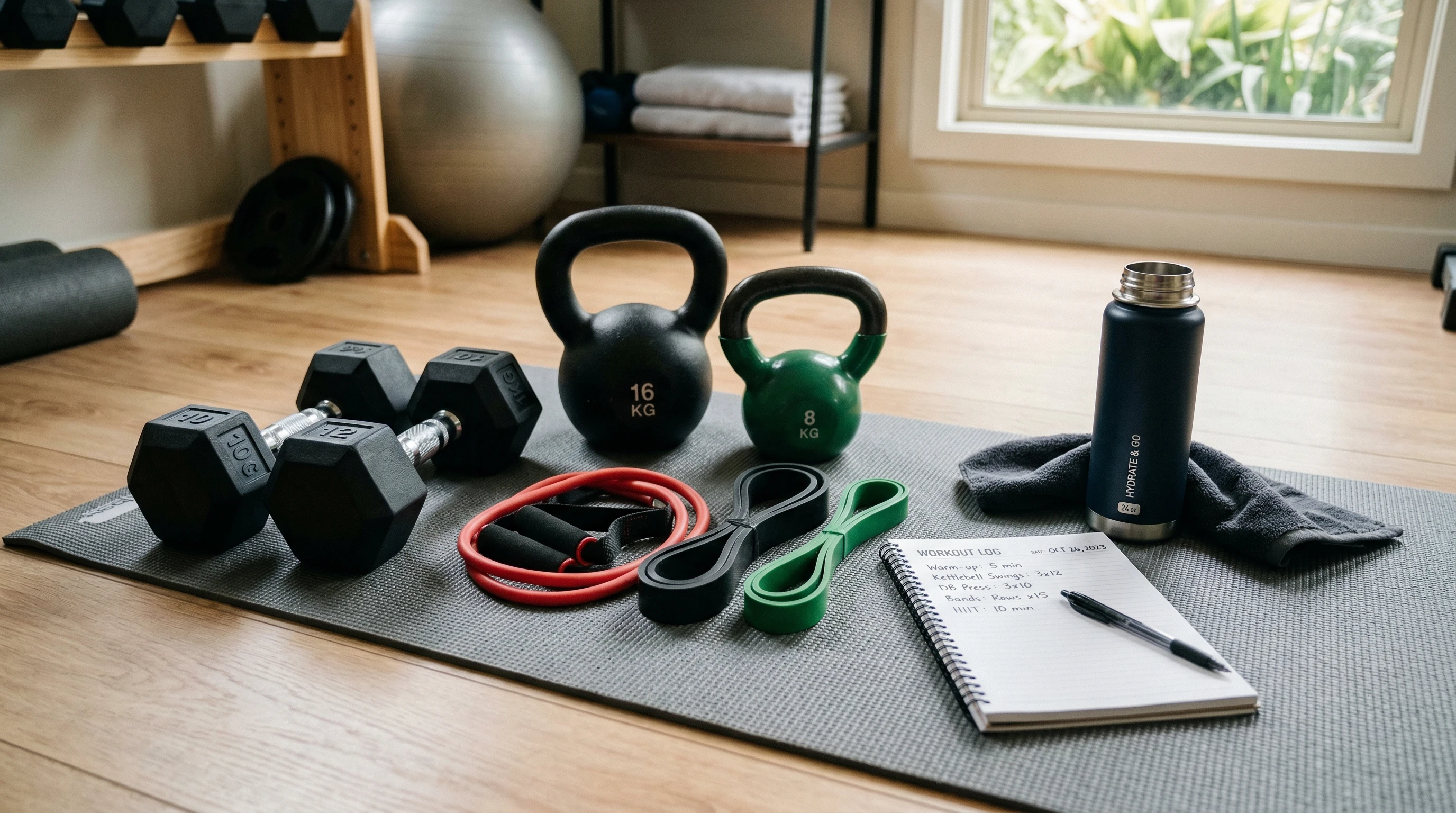
- Home Workouts: You don’t need a fancy gym. A mat, resistance bands, or simple dumbbells at home help you stay active if you’re short on time or don’t want to go out. Online routines and short video guides can also make home sessions more fun and effective.
Frequently Asked Questions
How often should beginners work out?
Three to four sessions a week, with at least one rest day, works well for most people. That way, you recover and don’t burn out too quickly. Mixing in light activity on rest days, like walking or stretching, can help you feel even better.
What’s the best time of day to exercise?
The time you can stick to consistently is what matters. Some prefer mornings for energy, others like evenings to unwind. Pick a time that feels right for you and fits your routine.
How long before I see progress?
Most folks start feeling better after a couple of weeks. Visible changes (like muscle tone or fat loss) usually show up after six to eight weeks if you keep at it. Tracking how workouts feel (like less struggle or more energy) is a great way to notice your growth faster.
Do I need supplements as a beginner?
Supplements aren’t required. Focus first on real food, solid sleep, and working out regularly before thinking about extra powders or pills. For most, just eating well and hydrating is plenty to start seeing results.
How to Keep Improving as You Go
Every workout helps you learn about your body and what works best for you. If you hit a plateau, try switching up exercises or adding a new challenge. Staying curious and open to learning keeps exercise fun and fresh. Bringing in new routines, workout partners, or challenges keeps motivation high.
Small improvements, a solid plan, and avoiding these beginner mistakes will help you train smarter, prevent injury, and see faster results. Fitness progress is an adventure where little wins pile up to make a big difference. Stick with it, keep learning, and enjoy every step forward!
Start Here:
Looking for the best beginner workout plan? Learn a simple, effective routine designed to build strength, burn fat, and create lasting fitness habits.
The Perfect Weekly Workout Schedule for Strength, Fat Loss, and Consistency.
Build strength and stay consistent with the perfect weekly workout schedule. Discover a balanced 7-day fitness routine anyone can follow.
How To Build a Workout Habit That Actually Sticks (Science-Backed)
Struggling to stay consistent? Learn how to build a workout habit that sticks using proven behavioral psychology and simple routines.